9 School Checklists for Teachers and Administrators to Bring Order to Chaos | Process Street
Schools do not become chaotic because teachers and administrators lack effort. Chaos appears when recurring work lives in memory, email, paper forms, and disconnected documents.
These nine school checklists help teachers and administrators bring order to chaos with a repeatable way to plan lessons, hire staff, register students, inspect facilities, support learners, and manage approvals without losing the detail that keeps a school running.
Thomas R. Hoerr, writing for ASCD, captured the range of educational work that benefits from a checklist:
I can envision checklists that ensure that we have reviewed all aspects of a student’s progress, that teachers have incorporated all of our talking points in their presentations to parents, and that I have spoken to all the relevant stakeholders before I initiate action.
The checklists below cover teaching, administration, enrollment, safety, student support, and finance. Each can be adapted to local policy, assigned to the right owner, and reviewed after every run.
Checklists keep recurring school work on track, organized, standardized, and controlled. They help users adhere to best practices, create consistency of approach, and document important information for future review across classrooms, administrative offices, and the wider campus.
Process Street is a single Compliance Operations Platform with Docs and Ops capability areas plus built-in AI. School teams can govern procedures in Docs, run assigned workflows in Ops, and keep an auditable record of what happened without stitching together separate products.
Quicklinks
1. Classroom Management Plan Preparation
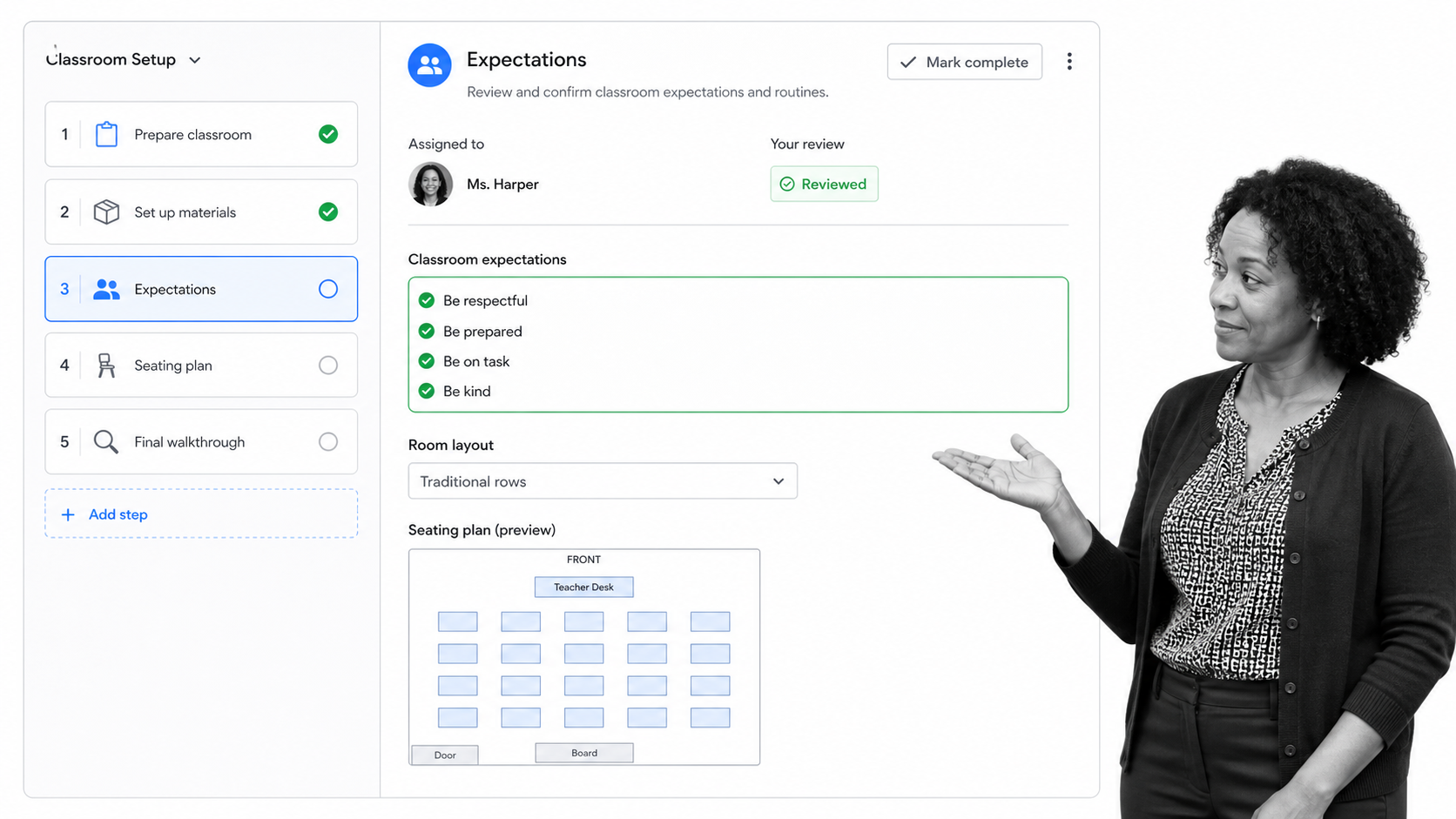
The Classroom Management Plan Preparation workflow helps teachers take a proactive approach to classroom management before routines, expectations, and responses are tested under pressure.
The plan draws on structures attributed to Colin Haysman of Stanford University in The Classroom Management Plan, along with supporting classroom-management practices.
From writing a teaching philosophy to testing seating plans, the workflow gives teachers a structured way to decide how the classroom should operate and what to improve after experience proves the plan right or wrong.
Formulating a philosophical statement, devising different seating plans, and reviewing the learning experience together provide an introspective look at classroom practice. The aim is a management style that benefits both the teacher and the students.
2. Weekly Lesson Plan Template
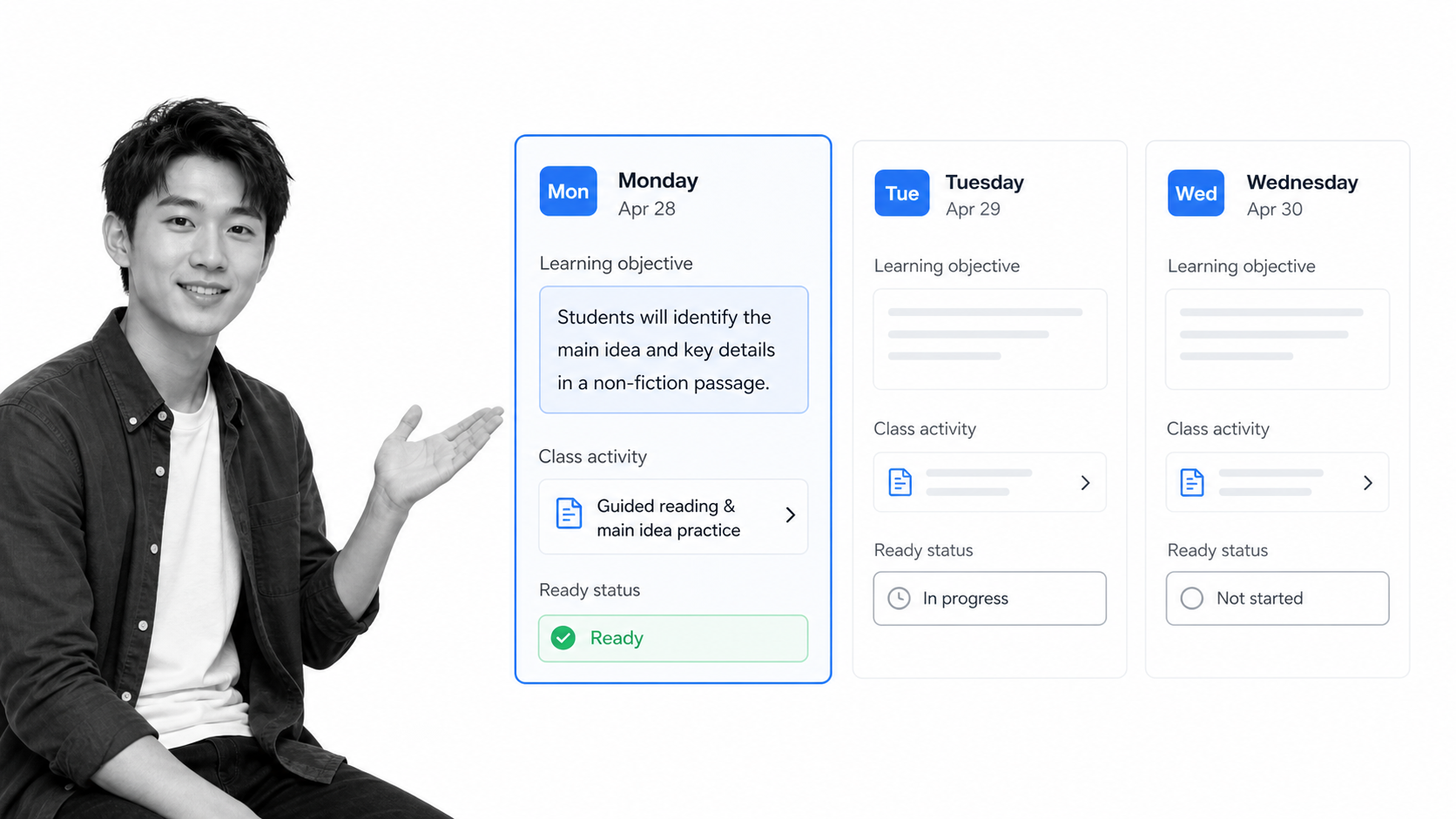
The Weekly Lesson Plan Template is designed to run before each teaching week so learning objectives, activities, materials, assessment, and follow-up are clear before the lesson begins.
Planning information stays available for review and improvement. That makes the checklist more useful than a one-off document: teachers can compare what they intended to teach with what actually worked.
The workflow retains the eight-phase planning structure discussed in Gini Cunningham’s Lesson Plans and Unit Plans: The Basis for Instruction, while keeping the final plan actionable for the next class.
Running the plan in advance keeps planning data and documentation available for review and improvement. Teachers can follow accepted best practices, use the chapter’s guidance and advice, and keep teaching methods aligned with their highest standards.
3. Teacher Job Description Checklist
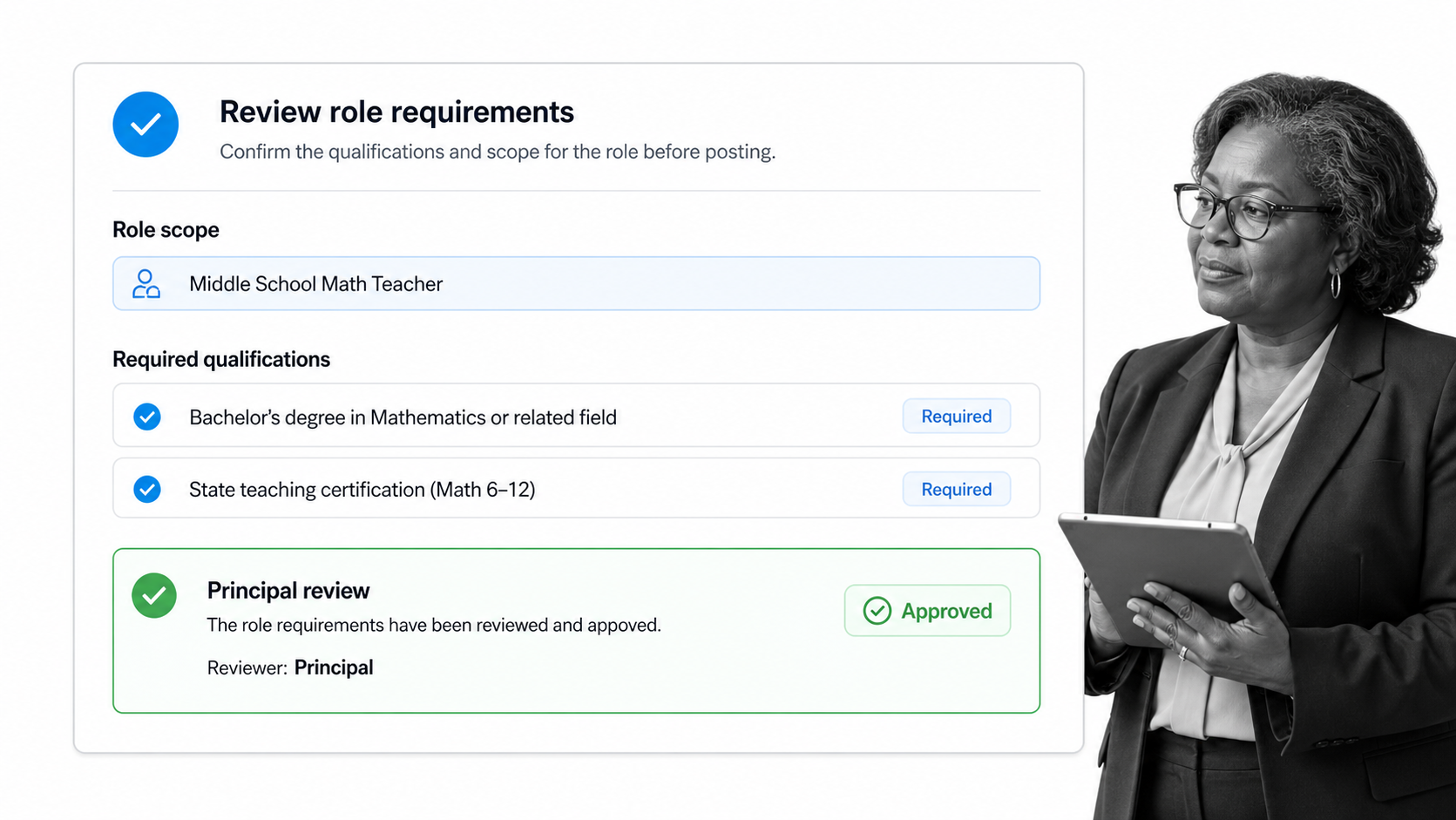
The Teacher Job Description Checklist guides school administrators through defining and advertising a teaching position.
It moves from the scope of the role through responsibilities, required qualifications, experience, review, and publication, creating a consistent handoff into the wider interview process.
Form fields capture the decisions behind the description, while an approval step makes the final posting easier for school leadership and hiring teams to review.
Administrative staff at a school, college, or other educational establishment can use the suggested tips and sample form fields to enter data consistently as they move from determining the scope of the role to advertising the teaching position.
4. Unit Plan Template
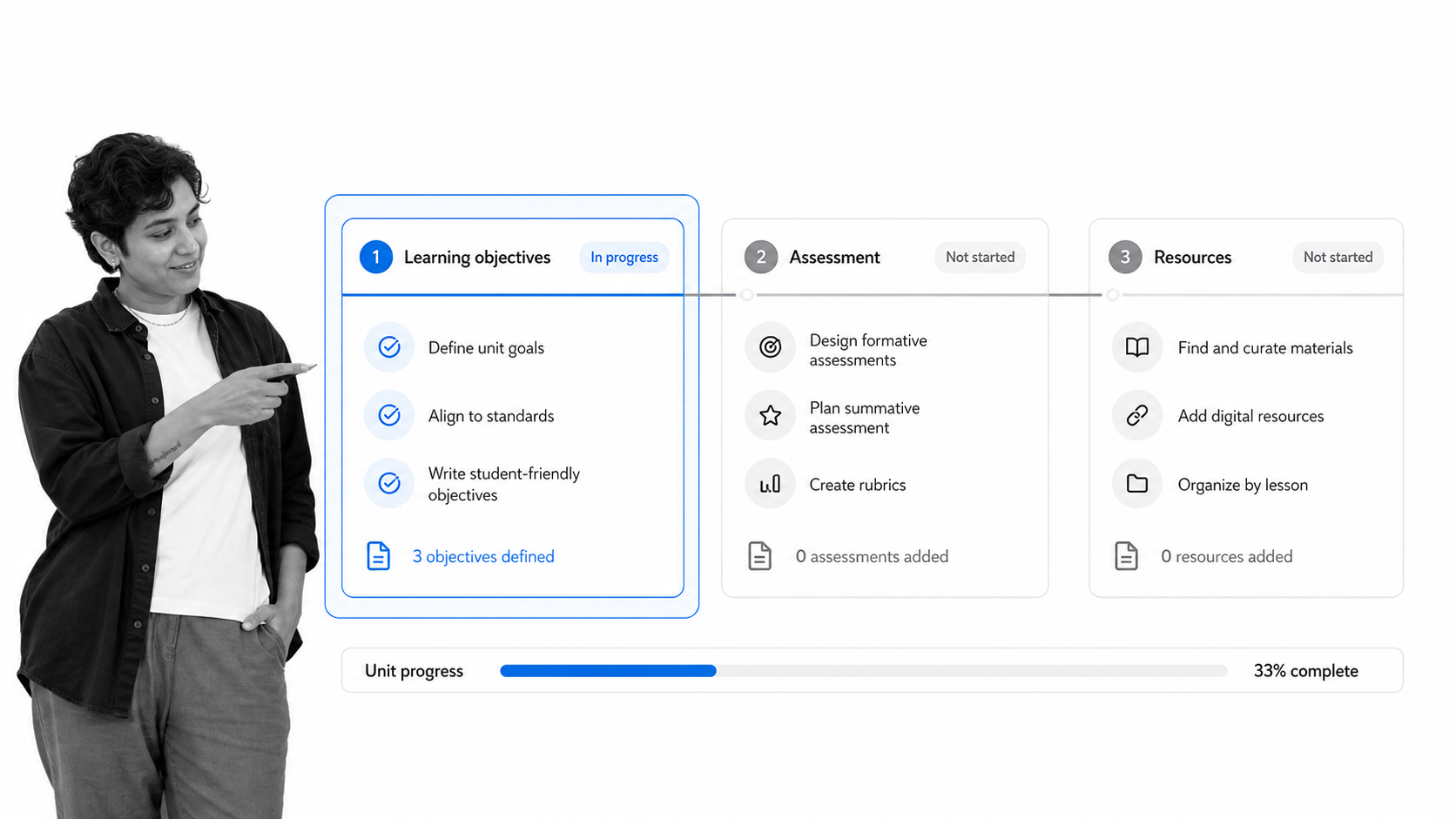
The Unit Plan Template guides an educator from the first idea for a unit through objectives, topics, concepts, required skills, resources, assessment, lesson sequence, and review by school leadership.
The structure also draws on Gini Cunningham’s New Teacher’s Companion, connecting the purpose of the unit to the individual lessons that deliver it.
An effective unit plan turns one large idea into smaller ideas that reinforce one another. Breaking those ideas into a sequence helps teachers build depth without making the learning experience feel fragmented.
That structure lets a teacher segment ideas and draw them out over time, conveying a wealth of information in what feels like a natural progression. The final plan can then be submitted for review by senior school management.
5. Student Registration Process
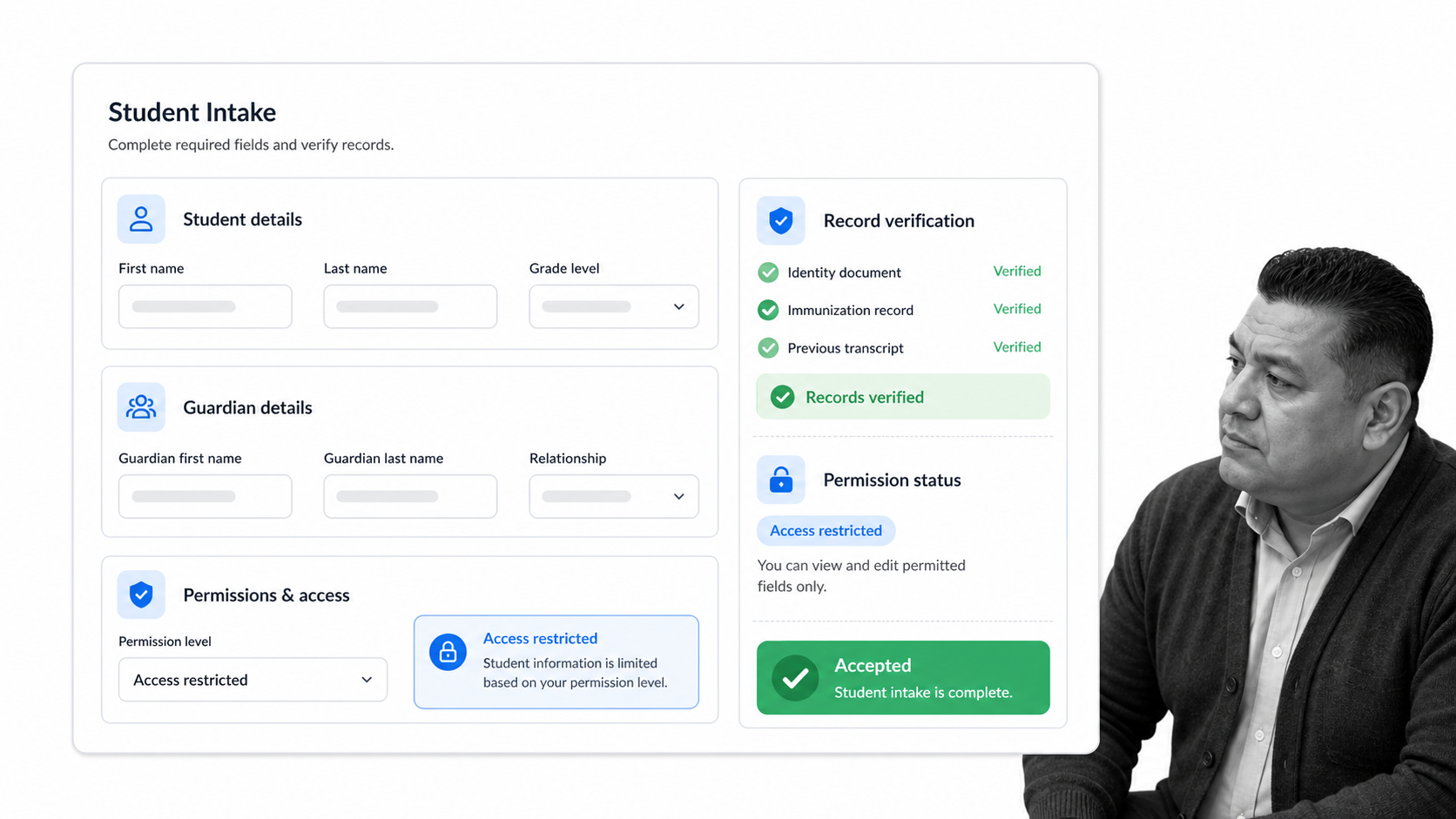
The Student Registration Process helps a school welcome a new student, collect the right information, assign classes and services, and coordinate the first day.
It works for smaller schools with or without a student information system. The workflow can route health, transport, meal, learning-support, and guardian information to the people who need it while limiting unnecessary access.
Registration records can contain sensitive student information. Schools should adapt the workflow to their legal obligations and security controls, including the U.S. Department of Education’s student-data security guidance where applicable.
A small local school, an international school of limited size, or an academy focused on extracurricular activities can adapt the same intake path. Gathering all relevant information helps the school adequately support the student’s learning experience and integrate the learner into required systems and the community.
6. Laboratory Safety Procedure Audit
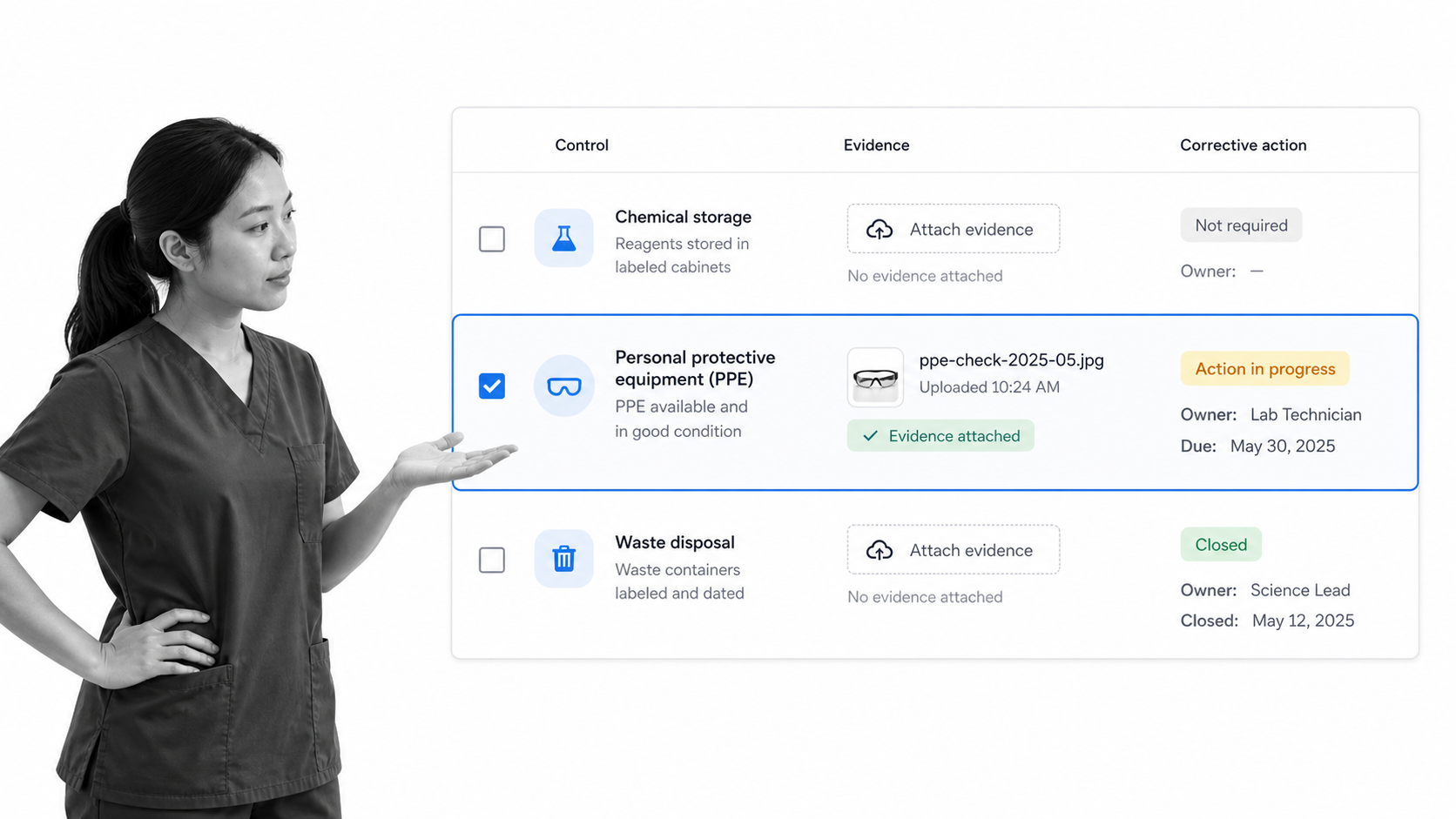
The Laboratory Safety Procedure Audit helps a science department review procedures, evidence, training, protective equipment, documentation, and corrective actions before an internal or external review.
The workflow can support a self-audit or help a team prepare for an external auditor. Current institutional practice includes recurring reviews and documented follow-up, as shown in the University of Iowa’s annual lab review process.
Use this as a customizable audit aid. Local rules, current standards, qualified safety personnel, and the school’s own chemical hygiene and emergency procedures remain authoritative.
Laboratories can be dangerous places, so strong procedures and consistent follow-through matter. Before an external audit, the checklist helps the team meet with the auditor fully prepared, keep a safe working and studying environment, and document how findings were corrected.
7. School Indoor Air Quality Inspection Checklist
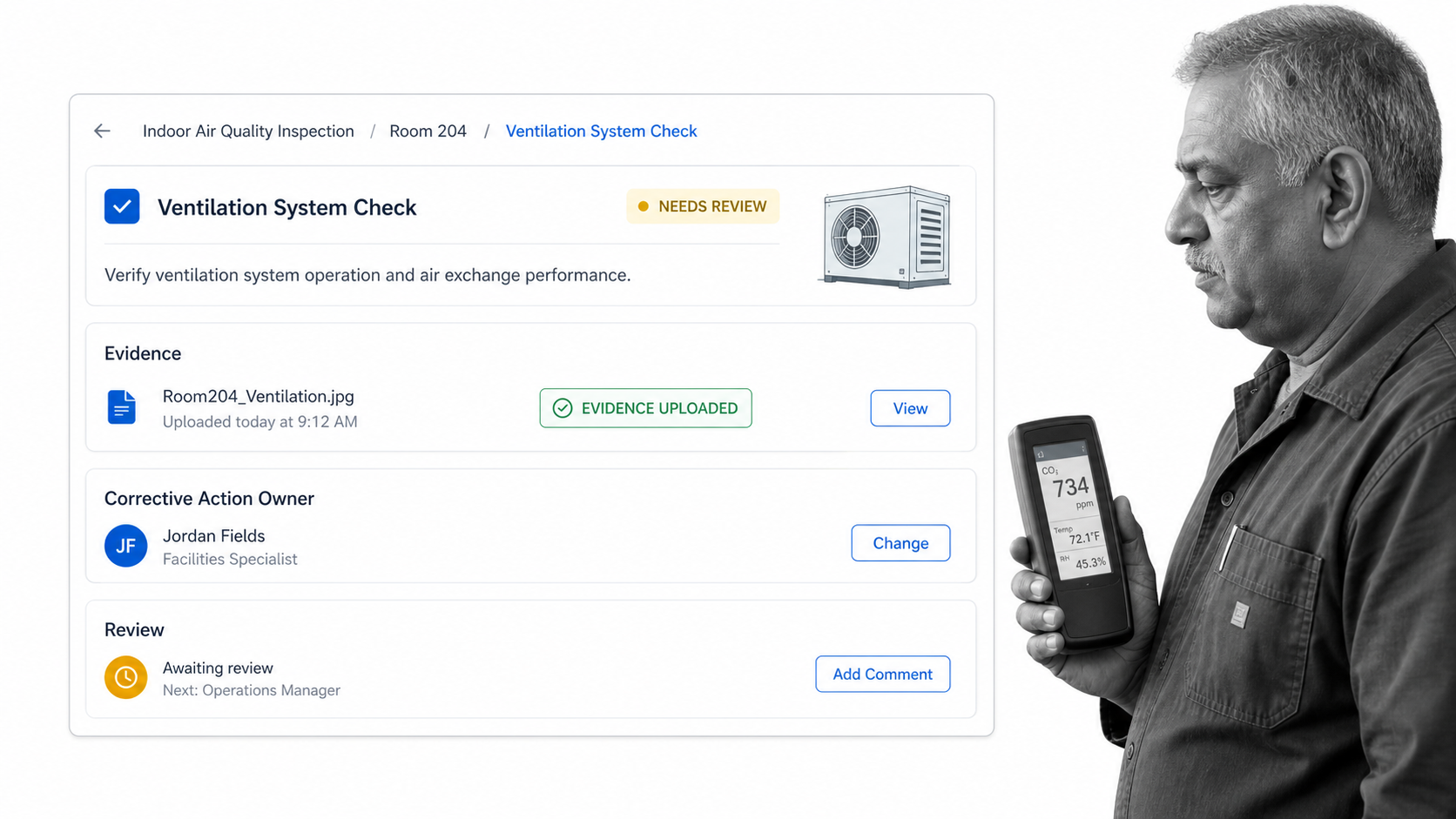
The School Indoor Air Quality Inspection Checklist gives administrators and facilities teams a school-specific way to inspect ventilation, moisture, pollutants, building materials, reporting, corrective action, and follow-up.
Assign each inspection area to a qualified owner, attach evidence, record the result, and route problems for correction. That creates a usable record instead of leaving findings in a paper file or a facilities inbox.
Adapt the checklist to the building, jurisdiction, and guidance that applies to your school. Specialist testing and remediation should remain with qualified professionals.
8. Functional Assessment Checklist for Teachers and Staff
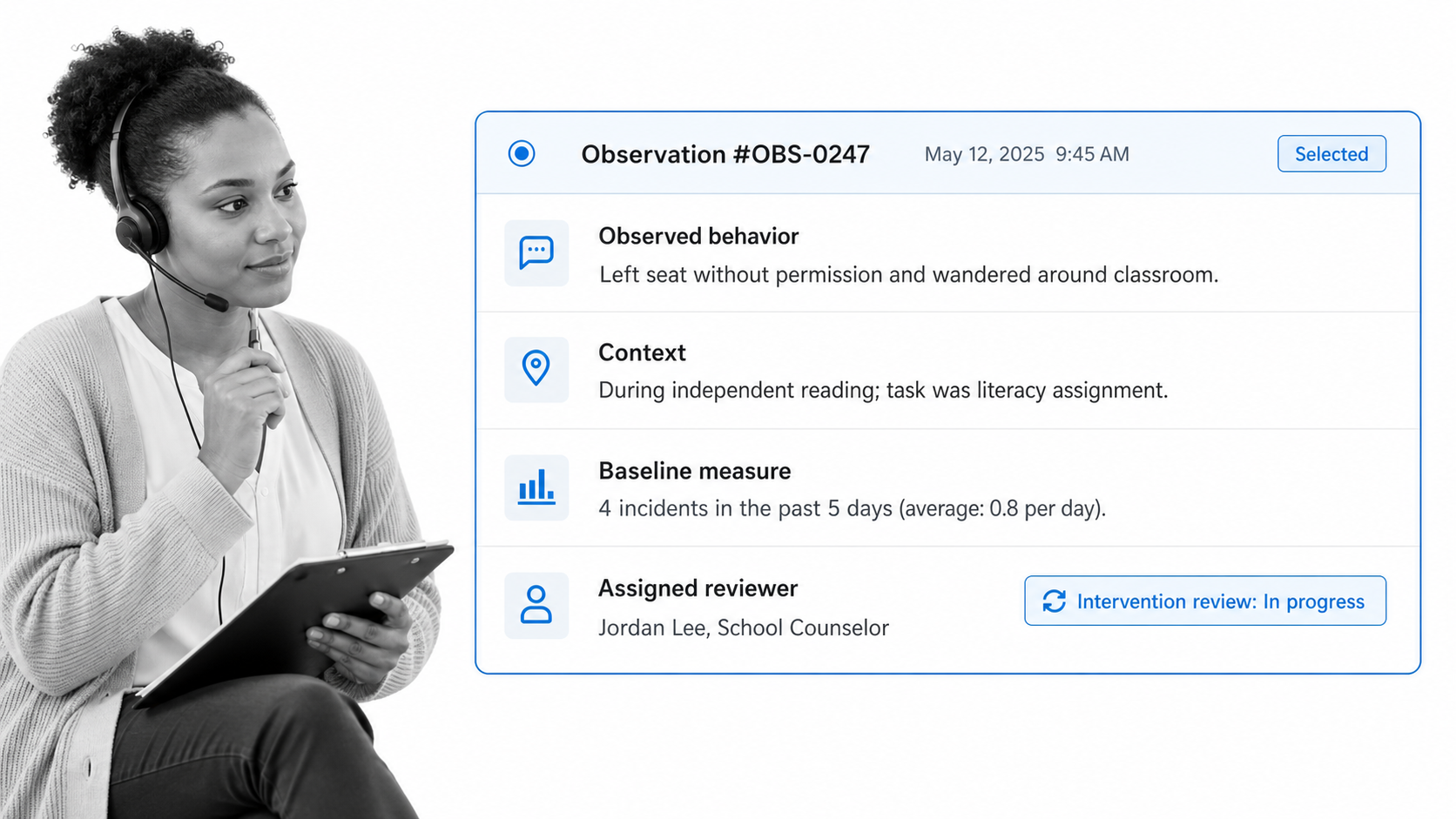
The Functional Assessment Checklist for Teachers and Staff helps educators document specific observations, context, baseline information, prior responses, and the people involved in reviewing support.
Run it when a pattern of behavior needs careful observation and coordinated follow-up. The record keeps the discussion focused on what happened, when it happened, and what support or intervention should be reviewed next.
Schools should align the workflow with safeguarding rules, student rights, local policy, and current guidance for a safe, supportive, and nondiscriminatory school climate, including the U.S. Department of Education’s school discipline resources where applicable.
9. Expense Management Process
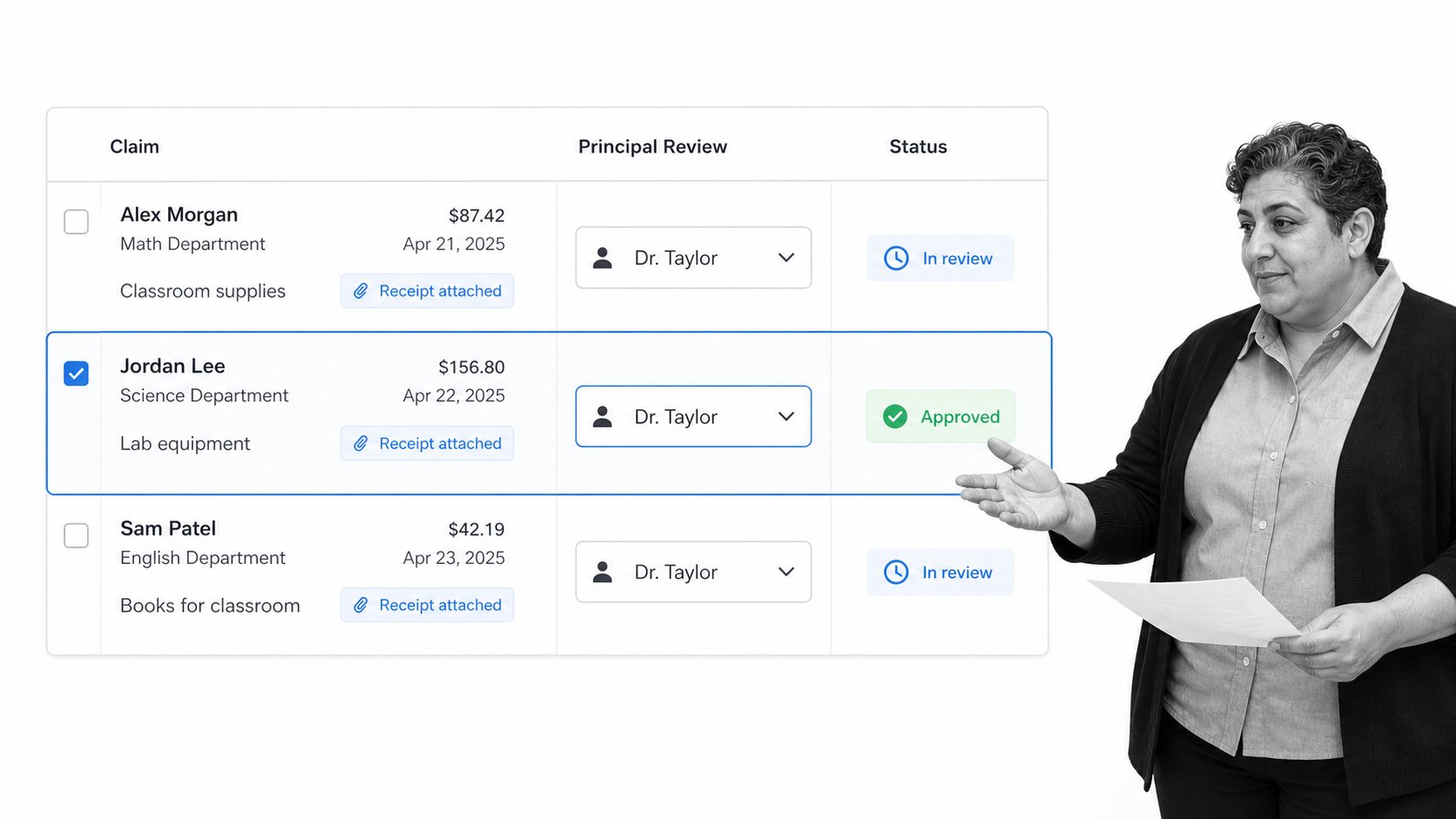
The Expense Management Process gives school finance teams a consistent way to receive claims, verify receipts, collect approvals, process payments, and keep an audit-ready record.
The workflow starts when the accounting team receives an expense request. Each reviewer completes the tasks assigned to their stage, so ownership and approval history stay clear.
Use due dates, approval steps, and evidence fields to prevent requests from disappearing in email while keeping the process understandable for teachers, administrators, and finance staff.
Easy-to-understand records show what the school is spending on employee expenses, whether appropriate permission was sought for each claim, and whether payments can be audited. All members of the expense approval process contribute through the allocated tasks in their sections.
Conclusion
A useful checklist makes ownership, sequence, evidence, and review visible. If you are building one from scratch, use this guide to create a practical process checklist before moving it into an assigned workflow.
For more ready-to-use systems, explore HR templates for company success, new employee onboarding checklists, accounting processes, electrical inspection checklists, workplace safety inspection checklists, and the complete education workflow library.